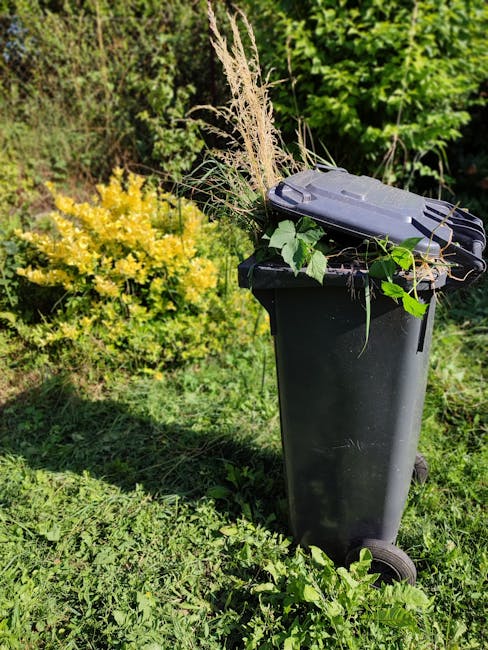
Common access problems for Barking garden clearance jobs
If you are planning a garden tidy-up, a full strip-out, or a bulky green-waste removal, access can make or break the job. In Barking, that often means narrow side passages, locked gates, shared entrances, awkward steps, tight rear alleys, or nowhere sensible to park the van. Small thing? Not really. These access issues can slow a clearance down, increase labour time, and change what equipment can be used on site.
This guide breaks down the common access problems for Barking garden clearance jobs, why they matter, and how to prepare so the work runs smoothly. It is written for homeowners, landlords, tenants, letting agents, and anyone trying to get an honest, realistic plan before the team arrives. Because let's face it, the last thing you want is a crew standing at the gate wondering how on earth they are getting a pile of cuttings, broken fencing, or old planters out the back.
For a broader look at how this service fits together, you may also find the services overview helpful, especially if your job involves more than just clearance.
Table of Contents
- Why access problems matter
- How access is assessed and handled
- Key benefits of planning access well
- Who this is for
- Step-by-step guidance
- Expert tips for better results
- Common mistakes to avoid
- Tools, resources and recommendations
- Law, compliance and best practice
- Options and comparison table
- Real-world example
- Practical checklist
- Conclusion
- Frequently asked questions
Why Common access problems for Barking garden clearance jobs Matters
Access is one of those things people only think about when it becomes a problem. A garden can look straightforward from the patio door, but then the crew discovers a locked side passage barely wide enough for a wheelbarrow. Or there is a steep flight of steps, a shared alley with bins left out, or a fence panel that cannot be removed without permission. That changes the job immediately.
In Barking, this is especially relevant because many properties sit on compact plots, older terraces, flats with shared routes, or homes where the rear garden has been adapted over time. A clearance team needs space to carry out waste, position tools safely, and move without damaging walls, paving, sheds, or neighbour boundaries. Access affects almost everything: the time on site, the number of operatives needed, the type of removal method, and sometimes even whether the work can be completed in a single visit.
Good access planning also helps reduce friction with neighbours. Nobody wants garden waste dragged through a narrow shared entrance while someone is trying to leave for work. If the access route is awkward but manageable, the team can usually work around it. If it is hidden from the quote, that is when delay, stress, and surprise costs tend to show up. Not ideal.
How Common access problems for Barking garden clearance jobs Works
Most professional clearance jobs begin with a quick assessment of how the team will enter the garden, how materials will be removed, and where any waste vehicle will load. In practice, that means checking the route from the front of the property to the work area and back again. It sounds simple. Sometimes it is. Often it is not.
Typical access issues include:
- Narrow side access that limits wheelbarrows, sacks, or hand-carry movement.
- Steep steps or uneven paving that increase trip risk and slow down movement.
- Locked gates or missing keys meaning the team cannot get through on arrival.
- Shared alleyways where neighbour cooperation is needed.
- Parking restrictions that make loading waste harder or force longer carrying distances.
- Low arches, tight corners, or overgrown entrances that stop larger equipment from passing.
- Fragile surfaces such as old turf, loose slabs, decking edges, or soft ground after rain.
A reliable crew will usually ask a few practical questions before the job begins. They may want to know whether a gate opens fully, whether there is rear access from a lane, if the garden is behind a flat, and whether bulky items need to come through the house. That last one matters more than people think. Carrying wet hedge cuttings through a hallway is not anyone's favourite Wednesday.
If your garden includes bigger structural elements, such as broken timber, old fencing, or overgrown boundary features, it may also be worth looking at related services like hedge trimming, tree lopping and removal, or regular garden maintenance to keep access clearer in the future.
Key Benefits and Practical Advantages
Sorting access properly does not just make the job easier for the crew. It usually improves the whole experience for the customer as well.
- More accurate quoting: the clearer the access, the easier it is to estimate labour and time.
- Safer working: less lifting over obstacles and fewer awkward manoeuvres mean lower risk.
- Faster completion: a route that works properly saves many small delays.
- Less disturbance: better planning reduces noise, mess, and repeated trips through shared spaces.
- Lower chance of damage: gates, slabs, fences, and internal flooring are easier to protect when the route is known.
- Better waste handling: materials can be sorted and moved more efficiently, which helps recycling and disposal planning.
There is also a confidence factor. When access has been discussed properly, customers tend to feel more relaxed. The job starts with fewer unknowns. That sounds minor, but in real life it makes a big difference, especially if the garden has been left for a while and the first stage already feels a bit daunting.
Another advantage is that access planning can reveal whether a clearance should be combined with other work. For example, if overgrown hedges are blocking the route, a team may suggest trimming first or in tandem. Likewise, if fallen branches or old fencing are in the way, the job may be smoother when planned alongside broader landscaping or even landscaping work. One job leading into another. That is often the sensible way round it.
Who This Is For and When It Makes Sense
This topic matters to a lot more people than you might think. If any of the following sounds familiar, you are probably the target reader here.
- Homeowners with tight side access, shared passageways, or rear gardens behind terraced homes.
- Landlords arranging a clearance between tenancies, where time and reliability matter.
- Letting agents managing properties with uncertain access details or absent occupiers.
- Tenants who need a garden cleared before moving out, but do not control every part of the route.
- Older residents who may need a simpler, lower-disruption approach.
- Busy families trying to fit a clearance around school runs, parking, and everyday life.
- People with neglected gardens where growth, debris, and broken items have reduced access over time.
It also makes sense to think about access when the job is not urgent. In fact, that is the best time. If you are planning a larger tidy-up later in the season, maybe after a spell of dry weather or before a move, checking gates, paths, and parking in advance will save hassle. A little calm before the storm, basically.
And if the work is part of a bigger property improvement, the article on garden clearance can help you understand how access ties into the clearance process itself.
Step-by-Step Guidance
Here is a practical way to handle access issues before a Barking garden clearance job begins.
- Walk the full route. Start at the street and move to the garden exactly as the crew would. Notice every gate, lock, step, slope, and pinch point.
- Measure the narrowest parts. You do not need to overcomplicate it. A rough width check is often enough to show whether a wheelbarrow, trolley, or bulky load will fit.
- Check for obstacles. Look for bin stores, parked cars, trailing cables, low branches, planters, loose slabs, and overgrown hedges. The awkward little things are usually the ones that trip people up.
- Confirm who can open what. If a key is needed, make sure it is available. If a landlord, neighbour, or managing agent must unlock a gate, get that sorted early.
- Think about parking and loading. Can a vehicle stop close enough to reduce carrying time? If not, how far is the route from the garden to the road?
- Remove easy blockers beforehand. Move bikes, children's toys, patio furniture, or loose bins if you can. Small effort, big payoff.
- Tell the team about anything unusual. Shared access, pets, hidden steps, fragile paving, or a locked side entrance should all be mentioned before the job date.
- Reconfirm on the day if needed. If weather, parking, or neighbour access has changed, say so early. Nobody likes surprises at 8:15 in the morning.
That process may sound obvious. In practice, it is where many jobs become smooth instead of messy. One homeowner might think "the gate opens, so we are fine," but forget the hedge has narrowed the passage by half. Another might assume the rear alley is available, only to find bins and scooters have turned it into a tiny obstacle course.
Expert Tips for Better Results
From a practical standpoint, the best access plans are the ones that remove guesswork. A few simple habits help a lot.
First, be honest about the route. If access is awkward, say so. A good contractor would rather know early than discover it on site. That is not a sales line, just common sense.
Second, photograph the tricky points. A picture of the gate, alley, steps, or rear entrance can be worth more than a long explanation. It is especially useful if the property is managed remotely or the person arranging the job is not the one living there.
Third, clear the approach, not just the garden. People often focus on the grass, hedge, or pile of cuttings and forget the path leading to it. If the route is cluttered, the clearance slows down before the first bag even moves.
Fourth, plan around weather. After a wet spell, some narrow paths become slippery and awkward. Wet leaves, muddy steps, and soft edging all increase time and caution. Nothing dramatic, but enough to matter.
Fifth, ask whether the clearance can be staged. Sometimes it is better to tackle front access, side access, and the back garden in a sensible order, especially where loads are heavy or awkward. It keeps the job organised and reduces the risk of damage.
One useful little habit: if you can, keep the access route as clear as you would keep a hallway for guests. That simple standard helps everyone. It really does.
Common Mistakes to Avoid
Most access problems are predictable. The trouble is, they are also easy to dismiss before the job starts.
- Assuming a gate being present means it is usable. Sometimes it is swollen, jammed, blocked, or missing the right key.
- Forgetting about shared spaces. A clear route on paper can become impossible when neighbours leave bikes, bins, or deliveries in place.
- Underestimating the effect of overgrowth. Hedges, brambles, and self-seeded plants can narrow a route far more than expected.
- Not warning about steps or level changes. A single awkward step can change the handling method for the whole job.
- Ignoring parking restrictions. If the vehicle cannot stop anywhere sensible, carrying waste becomes much slower.
- Leaving fragile items near the route. Pots, ornaments, glass, and garden lighting can all get in the way.
- Leaving the briefing until the crew arrives. That is when a small issue becomes an expensive delay.
A less obvious mistake is assuming access issues only matter for big clearances. Even a modest job can be held up if the route is tight. A few bags of clippings still need to get out. And if a team has to squeeze through a narrow side passage twenty times, that adds up fast.
Tools, Resources and Recommendations
You do not need specialist gear to prepare for most access problems, but a few practical tools make life easier.
- Measuring tape: useful for checking gate width, passage width, and step spacing.
- Phone camera: ideal for recording awkward access points, low arches, or parking limits.
- Work gloves: handy if you are moving small obstacles before the crew arrives.
- Basic pruning tools: if light overgrowth is the main problem, a quick tidy can improve the route.
- Bin bags or rubble sacks: helpful for sorting loose garden waste before removal.
- Notebook or message list: keep gate codes, key locations, and access notes in one place so nothing gets missed.
If you want to understand the wider service mix around access and site preparation, the pages on lawn mowing, hedge trimming, and tree lopping and removal are useful because overgrowth often creates the very access problem you are trying to solve.
For customers comparing service levels, the pricing and quotes page is also worth reviewing. Access issues are one of the most common reasons a quote needs to be adjusted after an accurate site description. Fair enough, really. Better to price the work properly than pretend the route is fine when it is not.
Law, Compliance, Standards, or Best Practice
Access planning is not only about convenience. It also touches on safety, property care, and responsible working practice. In the UK, a competent garden clearance contractor is expected to think about safe movement, manual handling, protecting surfaces, and avoiding unnecessary disturbance to neighbours or shared areas. Exact duties can vary by site, but the general principle is straightforward: work should be carried out safely, with reasonable care, and without avoidable risk.
There is also a practical duty to respect property boundaries, shared access agreements, and any building management rules if the garden forms part of a block or communal layout. If access passes through a hallway, communal gate, or shared path, permission and communication matter. That is just good practice, and usually the quickest route to a calm job.
For peace of mind, it helps to check how a contractor approaches safety and handling. Pages such as health and safety policy, insurance and safety, and recycling and sustainability can give you a clearer picture of how jobs are managed beyond the visible clearing itself.
Where access is very limited, the team may need to adapt the method rather than force a standard approach. That could mean more manual carrying, smaller load sizes, a different sequence of work, or extra time allowed for careful movement. There is no shame in that. It is simply the sensible way to prevent damage and keep the job under control.
If you want to understand the company approach behind the service, the about us page is a good place to look, and the insurance and safety information helps show what responsible work should look like.
Options, Methods, or Comparison Table
Different access problems call for different working methods. Here is a simple comparison that helps show why one setup may take longer than another.
| Access situation | Typical impact | Best approach | Things to watch |
|---|---|---|---|
| Wide, clear rear access | Fast and straightforward | Standard clearance route | Still check for loose slabs or slippery surfaces |
| Narrow side passage | Slower movement, smaller loads | Careful manual carrying or wheelbarrow use | Watch walls, fencing, and overhanging plants |
| Shared alley or communal entrance | Needs coordination | Plan timing and keep route clear | Neighbours, bins, bikes, and deliveries can block progress |
| Access through the house | More disruption and protection required | Protect floors and move carefully in smaller amounts | Hallways, carpets, corners, and internal doors need care |
| Overgrown or unsafe route | Higher risk and more time | Clear the route first, or split the job into stages | Brambles, hidden debris, and unstable ground |
This table is not a rigid rulebook, just a practical guide. Real gardens are messier than diagrams, and the route often changes once the crew sees the space properly. Truth be told, that is normal.
Case Study or Real-World Example
Here is a realistic example based on the sort of situation that comes up often. A Barking homeowner booked a garden clearance for an overgrown rear garden after years of light neglect. From the street, the property looked manageable. But the side access was tighter than expected, the hedge had pushed into the passage, and a broken gate latch made the rear route unreliable.
On the day, the team could still complete the work, but they had to adjust the method. Smaller loads were carried out by hand. The first task was to trim back the route enough to create safe movement. A couple of old pots were moved out of the way, and extra time was spent protecting the edge of the paving where the passage turned sharply.
What made the difference was that the problem had been mentioned early. The job did not become "easy," but it stayed controlled. No rushed decisions. No damaged fence panel. No awkward stand-off at the front door. The customer got a tidy result, and the work finished without any drama. Which, if you have ever arranged tradespeople on a tight residential street, feels like a small victory.
The bigger lesson? Access problems are rarely impossible. They just need to be named early and handled honestly.
Practical Checklist
Use this before your garden clearance booking, especially if the property has narrow access or shared routes.
- Check the full route from street to garden.
- Measure the tightest gate, alley, or passage point.
- Confirm who has keys or gate codes.
- Tell the contractor about steps, slopes, or uneven paving.
- Clear bins, bikes, and loose objects from the access path.
- Move fragile pots, ornaments, and lighting away from the route.
- Think about parking and where the vehicle can stop.
- Warn about shared entrances or neighbour-controlled access.
- Take photos of the difficult points if they are not easy to describe.
- Ask whether the job should be staged if access is especially awkward.
Quick summary: if the route looks cramped to you, it will usually feel cramped to the team too. A few minutes of preparation can save a lot of back-and-forth later.
Get a free quote today and see how much you can save.
Conclusion
Common access problems for Barking garden clearance jobs are rarely dramatic on their own, but they can shape the whole experience. A narrow passage, a blocked alley, a locked gate, or poor parking can slow work down quickly. The good news is that most of these issues can be managed with simple preparation, honest communication, and a realistic plan.
If you take away one thing, let it be this: access is part of the job, not a side note. The sooner it is checked, the cleaner the result tends to be. And yes, that can mean a smoother quote too.
For anyone weighing up wider garden work, the pages on garden maintenance and garden clearance can help you see how access, tidiness, and long-term upkeep fit together in a practical way. A little planning goes a long way, really.
Frequently Asked Questions
What are the most common access problems for Barking garden clearance jobs?
The most common issues are narrow side access, locked gates, shared alleyways, parking restrictions, steep steps, overgrown entrances, and awkward routes through the house. These can all add time and care to the job.
Does poor access always mean a more expensive clearance?
Not always, but it often affects the amount of labour needed. If the team has to carry waste further, use smaller loads, or spend time protecting surfaces, the quote may need to reflect that extra work.
Can a garden clearance still be done if the only access is through the house?
Yes, in many cases it can. It just needs careful planning, protection for floors and corners, and clear agreement in advance. Some homes are only workable this way, so it is more common than people think.
Should I clear the access route before the team arrives?
Yes, if you can. Moving bins, bikes, toys, and small obstacles makes a noticeable difference. Even clearing a few feet of pathway can help the whole job run more smoothly.
How do I know if my side passage is too narrow?
If the route feels tight for you carrying a bag or box, it will probably slow a clearance team as well. A rough width check and a couple of photos usually help the contractor judge whether the route is workable.
What if the access gate has no key or a broken latch?
That needs to be mentioned before the job day. A missing key or faulty latch can stop the team getting in at all, or force a slower alternate route. It sounds obvious, but it catches people out a lot.
Are shared alleyways a problem for garden clearance jobs?
They can be, especially if neighbours leave bins, scooters, or deliveries in the way. Shared areas are often manageable, but they need a bit of coordination and timing.
Can overgrown hedges block access enough to delay the job?
Absolutely. Overgrowth can reduce the usable width of a path and make carrying waste awkward or unsafe. In some cases, trimming the hedge first is the sensible move, or the work can be staged.
What should I tell the contractor before booking?
Tell them about narrow access, steps, shared gates, parking limits, any need for keys, and anything fragile along the route. If there is anything that would make you hesitate while carrying a heavy bag, mention it.
Is it better to send photos of the access route?
Yes, photos are very helpful. They give a clearer picture than a quick description and can prevent misunderstandings. One image of the gate and another of the passage is often enough to be useful.
How do access issues affect timing on the day?
They may extend the job if movement is slower, if the crew has to use smaller loads, or if extra protection is needed. A job that seems simple can take longer when the route is tight, especially in wet weather.
Where can I learn more about related garden services?
You can explore the wider service details through the services overview, or look at related pages such as lawn mowing, hedge trimming, and tree lopping and removal if access problems are connected to overgrowth.
What if I am not sure whether my garden access will work?
That is exactly when to ask for advice. Share the details early, explain what the route looks like, and be upfront about anything uncertain. A sensible contractor will help you work through it rather than guess and hope for the best.